




 BACK
BACKKia Ora Rangitoto Families
As Head of Counselling at Rangitoto College, I know firsthand that mental health literacy, the knowledge, skills, and confidence to recognise when a young person is struggling, is more vital now than ever. With rates of anxiety, depression, and psychological distress rising among adolescents, learning good mental health literacy is incredibly helpful in knowing exactly when help is needed and putting support in place before things get critical. Ultimately, our goal is to be the fence at the top of the cliff, rather than the ambulance at the bottom.
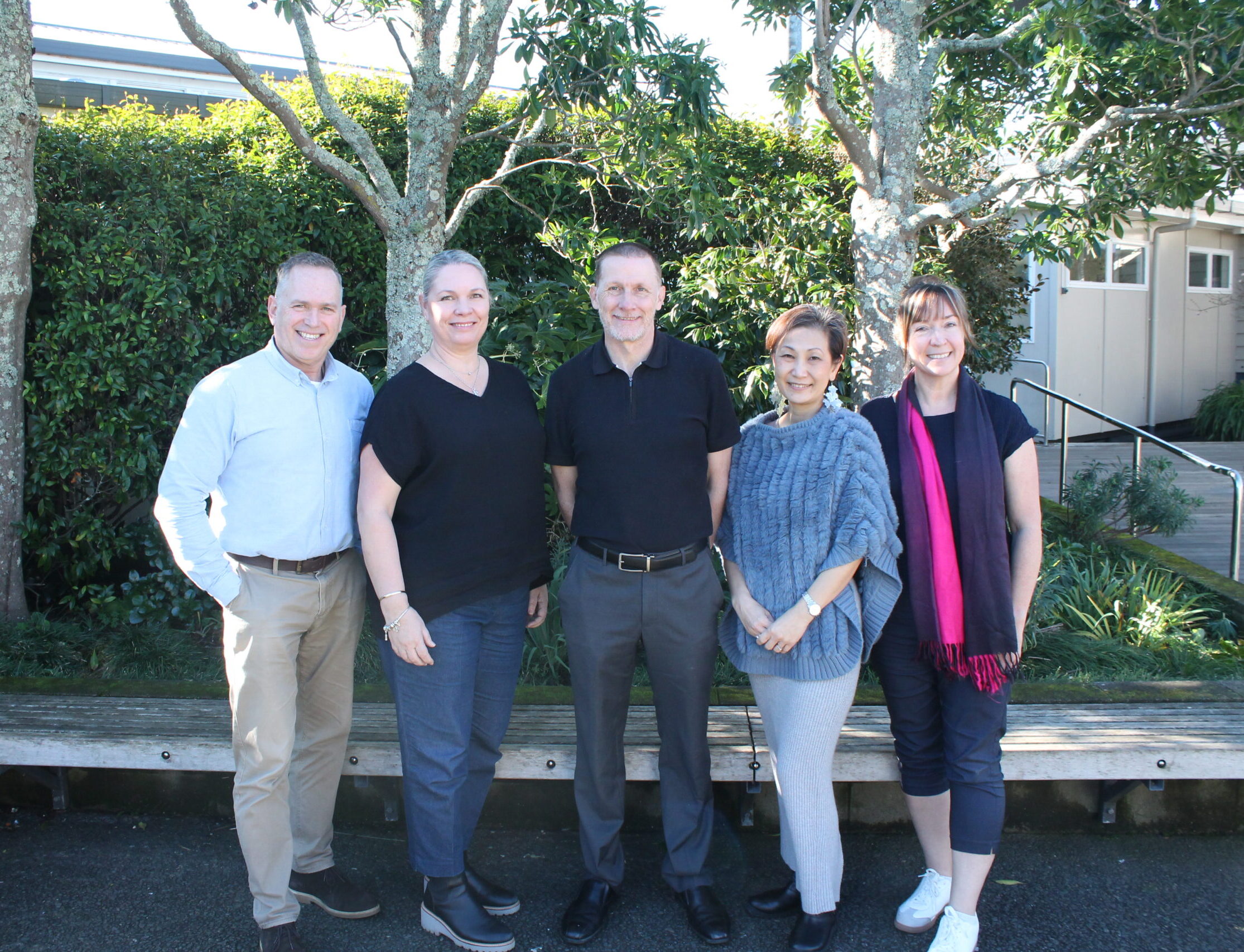
My team and I completely understand that while you deeply want to support your children, it is common to feel uncertain about how to respond. Learning to discern what is a sign of a mental health struggle and what is simply normal teenage behaviour is important for all of us who care for young people. The reassuring news is that mental health literacy is something we can all learn; we certainly don’t all need to be trained therapists to engage in this. In starting to inform ourselves, we will become better at it with practice, navigating these sensitive conversations with growing confidence. Furthermore, we know that when adults model good coping strategies, young people will naturally take their cues from the adults around them, helping to reduce stigma and encourage proactive help-seeking.
Our counselling team is dedicated to fostering a supportive environment where wellbeing is deeply valued, and we believe that when the school and your family work together, we create a unified network of support around our students. To help you build this foundation at home, I strongly encourage you to click the link provided in this edition of Vista to watch the latest SchoolTV Special Report on Mental Health Literacy, featuring excellent insights from NZ Clinical Psychologist Dr. Emma Woodward. I also want to draw your attention to the mental health literacy questionnaire that follows the special report, which is a fantastic tool to give you further insight into your own readiness to support a young person facing mental health challenges. If these resources raise any concerns about your child, or if you are seeking further professional guidance and support, please reach out to our Counselling Department directly. We are always here to partner with you in supporting your child’s wellbeing.
Jay Smith
Head of Counselling