

 BACK
BACK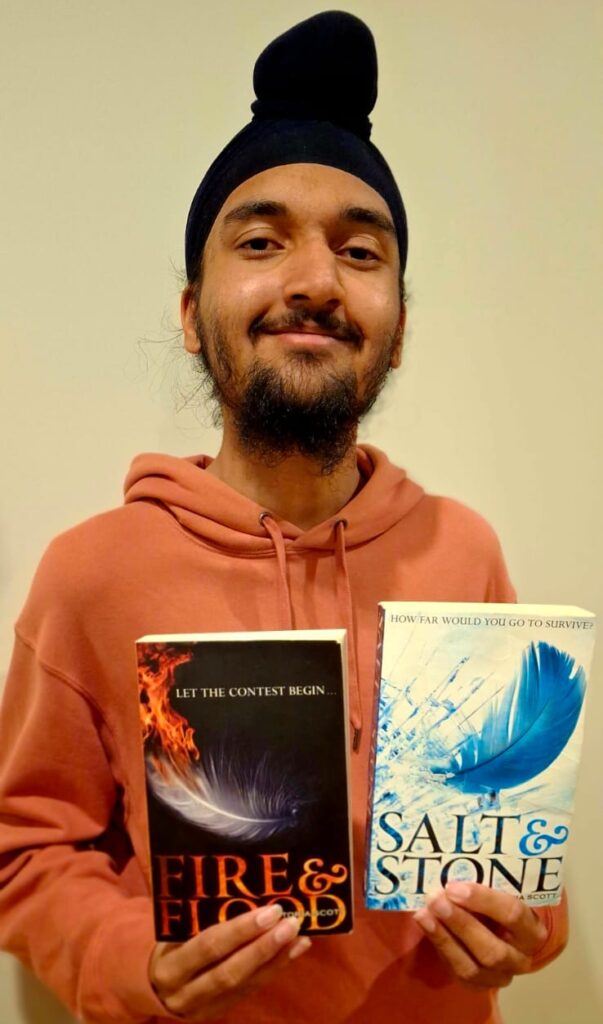
Who are you?
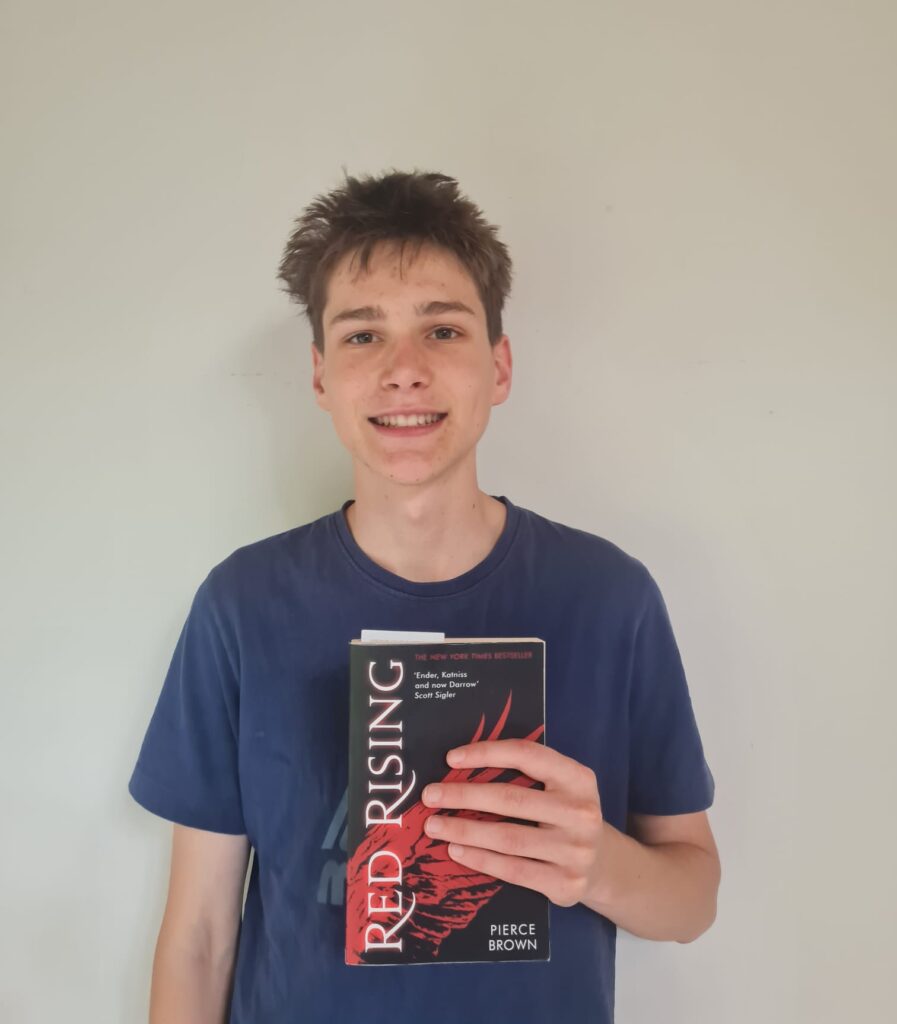
Hey there, I’m Ashvir, a Year 13 student in 2026 fully immersed in the International Baccalaureate. My favourite subject is Environmental Systems and Societies (ESS) at Higher Level, which perfectly reflects who I am: curious, analytical, and endlessly fascinated by ecosystems. I’m the type to stop mid-walk to identify a bird species or explain how climate systems interact, even when no one asks.
Beyond the classroom, I think globally. Through UN Youth programmes like MUNA, AMUN, and NZMUN, I’ve learned to debate complex global issues diplomatically and, thankfully, without starting an international crisis. As part of Youth COP Auckland, my team won the Case Competition on Sustainability by designing a gamified transport app that reroutes users away from extreme weather zones — think sustainable travel meets Mario Kart. In 2026, I was also selected to represent New Zealand at the Youth Future Summit, hosted by the Centre for International Policy and Sustainability, where I collaborated with other young changemakers on sustainable development and climate action.
In the REAL Programme (Rangatahi Environmental Action Leaders), I turn environmental ideals into tangible projects. I also lead the Greenfluence Collective, a youth initiative empowering young voices in sustainability, and serve as a Candywaves leader (2025–2026), helping run my school’s largest club and building teamwork through creative community events. One of my proudest achievements was placing Top 11 in New Zealand for the Geography Olympiad, earning a Silver Award — an unforgettable experience filled with intense map analysis, laughter, and learning.
At my core, I’m deeply passionate about the environment. Climate change feels personal, driving me to advocate for meaningful change through action. My Malaysian-Kiwi background fuels my global perspective, and as an ENTP-T, I thrive on creativity, open-mindedness, and enthusiasm for new challenges. I’m also absolutely addicted to Eurovision and Junior Eurovision — my Spotify playlists are pure international pop chaos.
What’s a book that’s changed your mind about something?
One book that really changed how I think about reading is The Crystal Run by Sheila O’Flanagan, a Fantasy Fiction novel I picked up in Year 7 during the COVID-19 lockdown. I got it in a mystery book bag from the East Coast Bays Library, where you choose a bag based on a genre without knowing the exact books inside. I had planned to read all seven books in the bag, but I ended up spending almost all my time on The Crystal Run, it completely pulled me in.
This book was a big step up from the usual chapter books I’d been reading. It was my first real taste of “big kid” books, and it made me feel emotions I hadn’t experienced while reading before. The mix of Fantasy, Adventure, and Nature was so engaging that I found myself thinking about the story long after I put it down. I loved how the characters and the world felt alive, and it inspired me to explore more books in similar genres.
What makes it especially memorable is that it’s one of the first books I actually finished, I’d only ever completed about seven or eight books in total. That achievement has shaped how I approach reading today by encouraging me to try bigger, more complex stories and reminding me that even small choices, like picking a mystery bag at the library, can have a lasting impact.
What’s your favourite book, and why?
Earlier this year (2025), I read the duology Fire and Flood and Salt and Stone by Victoria Scott, and they quickly became some of my favourite books. What hooked me most was how engaging and thrilling the adventure were, from tense survival challenges to breathtaking landscapes, the story kept me on the edge of my seat. The plot never felt predictable, and there were moments that genuinely made me emotional, like when characters faced impossible odds yet persevered, or when small acts of courage had huge consequences. It felt both epic and relatable at the same time.
These books are particularly memorable because they’re among the few I’ve actually finished, out of only about seven or eight total. The mix of genres and focus on older teen readers worked perfectly for me, since I don’t usually enjoy typical teen novels. I connected with the characters’ determination, problem-solving, and difficult choices, which often reflected real-life challenges. One scene that stuck with me was a life-or-death challenge where the protagonists’ teamwork and bravery highlighted perseverance and courage.
I would recommend these books to anyone who loves fantasy and adventure, but I treasure them personally for how they captivated me, expanded the types of stories I enjoy, and reminded me that a great story can be both thrilling and meaningful, leaving a lasting impression long after the last page.
Describe your perfect Saturday/Sunday?
My perfect Saturday or Sunday usually starts late, I’m definitely a night owl, so waking up around 10 or 11 am is ideal. I usually skip breakfast to dive straight into work, but if I do eat, it’s a ridiculously overloaded peanut butter and butter sandwich because, honestly, I’m greedy. Once I’m up and semi-fueled, I spend most of the morning and early afternoon studying. I focus on whichever subject has an upcoming test — Maths, Biology, Chemistry, or ESS — or sometimes explore a topic I’ve been curious about. It’s productive fun for me, even if it’s not the usual weekend vibe.
Spending time with friends is another essential part of my weekends. I have over 30 long-distance friends, and the weekend gives me a chance to catch up properly, texting, calling, and having long conversations about everything from life to random interests. I also carve out time for YouTube, which is my go-to relaxation. I love Eurovision content, Minecraft competitions, and other intense or creative videos.
Of course, a big part of the perfect weekend is just bed-rotting, lying in bed, scrolling through Instagram, and not thinking about anything at all. That mix of productivity, social connection, entertainment, and lazy comfort makes weekends feel both fulfilling and enjoyable.
What are some of your hopes and dreams for the future?
As an environmentalist, my biggest hope for the future is to make a real difference, not just for people, but for the planet too. After Year 13, I hope to study Medical and Conservation Genomics at the University of Melbourne, which feels like the perfect combination of everything I care about. I’ve always been fascinated by the environment, and the conservation side lets me explore ecology and evolution while helping endangered and vulnerable species survive for future generations. The medical side comes from my dad, who always hoped I’d become a doctor. While I didn’t follow that exact path, genomics allows me to combine both passions, helping humans through medical applications while protecting biodiversity. I first realised this could be possible while studying gene expression (D2.2) in IB Biology HL, and I fell in love with how genetics can make a tangible difference. I thought, “Why not apply this to help animals and people at the same time?” It felt like the perfect integration of my love for the environment with a field that has practical, life-changing impact.
Outside academics, I want to continue building experience and leadership in environmental projects. Programmes like Youth COP, REAL, and the Greenfluence Collective have shown me that even small actions can lead to real change, whether creating sustainable initiatives, developing strategies to protect ecosystems, or advocating for environmental awareness. I hope to continue participating in conferences, ambassador roles, and leadership opportunities where I can learn, collaborate, and inspire others. One of my ultimate dreams is to help at least one species avoid extinction. Knowing my work could allow a species to survive for future generations is the kind of impact I want to dedicate my life to.
I also hope to live somewhere with incredible biodiversity, like Australia or Europe, where I can explore natural environments and research opportunities. One place I’ve longed to visit is Socotra, Yemen, an island with plants found nowhere else on Earth. Its landscapes are breathtaking, and the endemic species are unlike anything else in the world. Experiencing that in person would be unforgettable and inspiring exactly the type of environment I want to connect with personally and professionally.
Hope, for me, is believing that our actions today can shape the future. As environmentalist Wangari Maathai said, “It’s the little things citizens do. That’s what will make the difference.” Every project I take on, every species I help, and every initiative I join reminds me that change is possible. I dream of a greener, healthier planet where humans and nature thrive together, and I hope that through my studies, leadership, and actions, I can help make that dream a reality.